Best Ice Packs for Migraines (2026): Five Cold Picks That Help
Five cold therapy options ranked for migraine relief: head-fit shape, cold duration, hands-free options, and what migraine sufferers actually keep in the freezer.

NatraCure
FlexiKold Gel Soft Flexible Ice Packs for Injuries - Reusable…
4.7 · 67,077 reviews
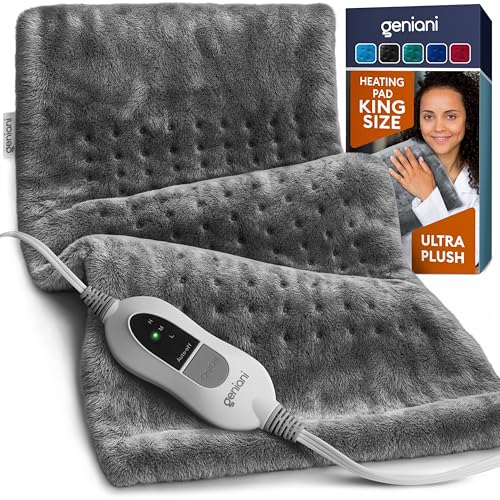
GENIANI
GENIANI Electric Heating Pad for Back Pain & Cramps Relief, Electric…
4.3 · 67,550 reviews
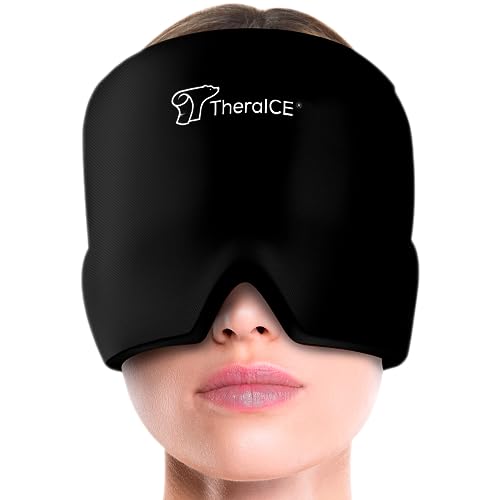
TheraICE
TheraICE Migraine Relief Cap | Soothing Headache Hat Ice Pack Mask |…
4.6 · 42,549 reviews

rester's choice
2 Pack Large Ice Packs for Injuries | 11" x 14.5" | Hot & Cold Pack…
4.7 · 44,635 reviews
Brand: Bluemaple
6 Pack Copper Compression Socks for Women and Men Circulation-Best…
4.5 · 79,208 reviews
On this page
Cold therapy is one of the few non-pharmacological migraine interventions with consistent user-reported benefit. The mechanism isn’t fully understood (possibly vasoconstriction of cranial vessels, possibly pain-gate inhibition through cold-sensitive nerve fibers), but the empirical observation is that many migraine sufferers respond to cold applied to the forehead, neck, or temples.
The right ice pack for migraines isn’t the same as the right pack for an ankle sprain. Different fit, different priorities. Here’s what works.
The short version
- Top pick, FlexiKold Gel Ice Pack (medium). Flexible at freezer temperature, wraps the forehead or back of neck, stays cold 20-30 minutes. See our full review.
- Premium pick, Headache Hat (gel headband). Specifically designed for migraine. 360-degree cold around the entire head, hands-free, blackout for light sensitivity.
- Budget pick, gel eye mask (slim). Stays in the freezer, can be applied to forehead, eyes, or back of neck. Cheapest functional option.
- For the back-of-neck specifically, FlexiKold or Cold pack with strap. Cold to the suboccipital region (back of skull, base of neck) is the most-effective placement for many migraine sufferers.
- Skip, instant cold packs (single-use chemical) as primary. Reasonable for travel, expensive for frequent home use.
Why cold helps (for those it helps)
Migraine sufferers can be divided roughly into cold-responders and non-responders. About 60-70% of users report meaningful relief from cold; the remaining 30-40% don’t respond or find cold worsens the pain.
The way to find out: try cold during your next migraine. Apply to the forehead, temples, or back of the neck for 15-20 minutes. If pain reduces, you’re a responder. Add cold to your migraine management toolkit.
For responders, the specific placement matters:
| Placement | Best for which migraine pattern |
|---|---|
| Forehead/temples | Frontal migraine, sinus-pattern headache |
| Back of skull/base of neck | Tension-migraine pattern, occipital pain |
| Side of face/jaw | Cluster headache, TMJ-related |
| Eyes (mask) | Migraine with photophobia (light sensitivity) |
Most users settle on one or two preferred placements based on their migraine pattern.
The picks
Top pick: FlexiKold Gel Ice Pack (medium, 7.5 x 11)
Why it’s the top: Flexible at freezer temperature, which means it actually wraps around your head and stays in contact. Rigid blue packs from your freezer make poor contact with curved skull surfaces; the FlexiKold molds.
67,000+ reviews at 4.7 stars, Amazon’s Choice across multiple sizes.
For migraines specifically: Wrap around the forehead by laying on your back with the pack across your forehead. Or hold against the back of your neck while sitting. The 7.5 x 11 size is the right size for both placements.
Trade-offs: Need to keep one (ideally two) in the freezer at all times. Not pre-formed for the head shape; you place it manually.
Read the full review: FlexiKold Gel Ice Pack Review
Premium pick: Headache Hat (gel cap/headband)
Why specifically for migraines: The Headache Hat is purpose-designed for migraine. It’s a band of gel pods sewn into fabric that wraps around your entire head. Once frozen, it provides 360-degree cold around the cranium for 30-40 minutes.
Hands-free. Blackout (covers the eyes optionally). Adjustable Velcro fit.
For whom: Frequent migraine sufferers (more than 2 episodes/month). Migraine-with-photophobia users (the blackout function is valuable). Users who want to function during a migraine (work at computer, move around the house) rather than lie down.
Trade-offs: Higher price than generic ice packs. Single-purpose product (one use case). Some users find the cold around the temples too intense.
Budget pick: Gel eye mask (slim, freezable)
Why a gel eye mask: Cheapest functional option. Stays in the freezer, applies to forehead/eyes/temples. Multiple uses (migraine cold therapy, post-cry puffy eyes, post-workout face).
For migraines specifically: Apply across forehead and eyes during onset. For users with photophobia, the eye-covering function is genuinely useful.
Trade-offs: Smaller coverage than full ice packs. Cold for less time (15-20 minutes vs FlexiKold’s 30). Several variants on Amazon with quality variation; check recent reviews before buying.
Back-of-neck pick: Cold pack with strap
Why neck cold specifically: For tension-migraine patterns and occipital headaches, the back-of-neck/base-of-skull is the highest-yield cold application. Many migraine sufferers prefer it to forehead cold.
A cold pack with a built-in fabric strap that loops around your neck holds the pack in place hands-free. You can wear it while sitting, working, or lying back.
Brand notes: Several brands make versions of this. Look for adjustable strap length, 4-6 inch pack size (smaller fits under hair, larger covers more area), and gel filling (not rice or water beads, which warm too quickly).
Skip pick: Instant cold packs as your primary migraine tool
Why we’d skip them as primary: Instant cold packs (the kind you squeeze to activate) are single-use chemical packs. Good for first-aid kits and travel; not economical for migraine sufferers using cold weekly or more.
The math: A 6-pack of instant cold packs costs around $15 and lasts 6 episodes. A FlexiKold costs about the same and lasts years across hundreds of episodes.
Where instant packs are right: Travel. Office desk drawer for unexpected episodes. As a backup when your gel packs aren’t fully frozen.
Cold protocol for migraine
For maximum benefit:
-
Apply early. Cold is most effective during the first 30-60 minutes of migraine onset. Waiting until peak pain reduces its effect.
-
Don’t apply directly to skin. Always use a thin towel barrier or pillow case. Direct skin contact can cause cold burns.
-
20-minute sessions, 30 minutes off. Continuous cold causes vasoconstriction rebound that can worsen the headache. Intermittent is more effective.
-
Combine with darkness and quiet. Cold alone isn’t usually sufficient. Lying down in a dark, quiet room with cold applied is the standard protocol.
-
Keep two packs frozen. When the first warms, swap to the second. Continuous availability of cold packs reduces the friction of using cold therapy.
When cold isn’t enough
If migraines occur more than 4-8 times per month, or each episode exceeds 24 hours, see a headache specialist. Modern preventive medications (CGRP inhibitors, established preventives) and abortive medications (triptans, gepants, lasmiditan) can reduce migraine frequency by 50%+ for many users.
Cold therapy is an adjunct, not a replacement for proper medical management of chronic migraine. If you’re a frequent sufferer who hasn’t seen a specialist, that’s the highest-leverage move.
FAQ
Will cold cure my migraine? No. Cold reduces pain intensity during the session for many users. The migraine may continue when you stop the cold. Use cold for pain management, not as a cure.
How cold should the pack be? Out of a 0°F freezer is fine, with a towel barrier between pack and skin. Don’t apply directly; the pack temperature is below freezing and can cause skin damage.
Can I sleep with the pack on? Generally not recommended. Sustained cold for hours risks skin damage. Use cold for 20-minute sessions, then remove.
Will heat help my migraine instead? For some users, yes. Tension-pattern headaches often respond to heat on the back of the neck. Migraine-pattern headaches more often respond to cold. Test both during separate episodes to learn what works for you.
Can I combine cold and heat? Yes. Some users alternate cold on the forehead with heat on the back of the neck. The combined effect can be more relaxing than either alone.
Is cold safe during pregnancy migraine? Yes. Cold therapy is one of the safest non-pharmacological migraine interventions during pregnancy. Useful given that many migraine medications are restricted during pregnancy.
Are there contraindications? Avoid cold on Raynaud’s-affected fingers/toes. Avoid sustained cold for users with cold urticaria (cold-induced hives). Otherwise generally safe.
Where to buy
The picks above link directly to Amazon with our affiliate tag.
For our broader category roundup, see Best Ice Packs of 2026. For the deep review of the top pick, see FlexiKold Gel Ice Pack Review.
Final word
For migraine cold therapy, the FlexiKold medium is the workhorse: flexible enough to mold to your head, large enough to cover the forehead or back of neck, durable enough to last years through repeated freeze cycles.
For frequent migraine sufferers, add a Headache Hat to your kit. The hands-free 360-degree cold during an episode is a different experience than holding a pack manually. Worth the upgrade if you have multiple episodes per month.
For occasional migraine sufferers, the FlexiKold alone is plenty. Keep two in the freezer so one is always ready.
Cold helps some migraine sufferers and not others. Try it. If you respond, make it a permanent part of your toolkit. If you don’t, no harm done, that’s the trial-and-error nature of headache management.
Not medical advice. We publish consumer product reviews; consult a licensed PT before changing your routine. We earn commissions on qualifying Amazon purchases.