Best Ice Packs of 2026: Four Reusable Picks, One Niche Tool, One to Skip
Four reusable ice packs ranked by stay-cold time, flexibility, and durability. Plus the niche migraine cap and the trendy 'instant' brand we'd skip.


NatraCure
FlexiKold Gel Soft Flexible Ice Packs for Injuries - Reusable…
4.7 · 67,077 reviews

rester's choice
2 Pack Large Ice Packs for Injuries | 11" x 14.5" | Hot & Cold Pack…
4.7 · 44,635 reviews

Chattanooga
Chattanooga ColPac - Black Polyurethane - Oversize - 12.5 in x 18.5 in
4.6 · 39,210 reviews
TheraICE
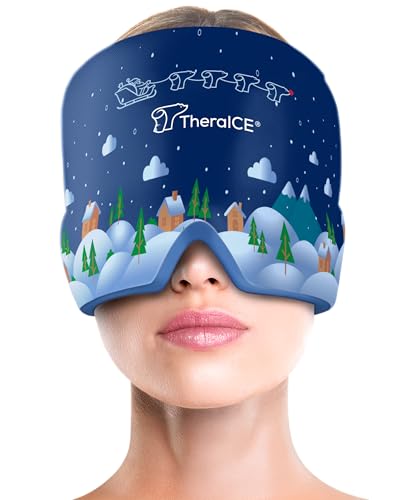
TheraICE Migraine Relief Cap | Soothing Headache Hat Ice Pack Mask |…
4.6 · 42,549 reviews
NatraCure
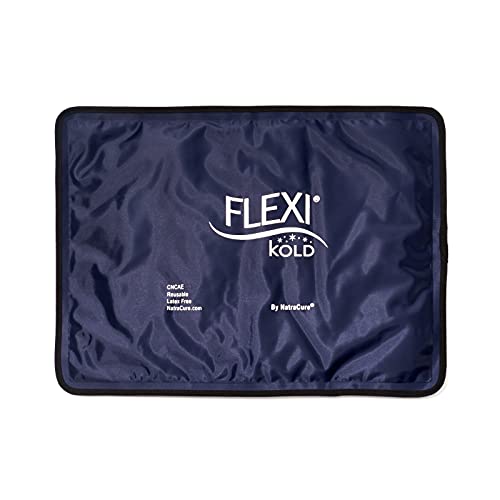
FlexiKold Gel Ice Packs (Standard Large: 10.5" x 14.5") for Injuries…
4.7 · 67,077 reviews
On this page
The ice pack market is dominated by two opposite mistakes. The cheap ones, blue rubbery gel rectangles, freeze rock-hard, conform to nothing, and feel like a brick on your knee. The expensive ones, “instant chemical” packs, last 15 minutes and you throw them away. Neither does the job.
The right ice pack is reusable, stays soft enough at freezer temperature to conform to a body part, holds cold for 25-45 minutes, and lasts years. Three brands make ones that do this. Here are the four we’d buy, the one niche tool worth having for headache sufferers, and the one we’d skip.
The short version
- Top pick, FlexiKold Gel Ice Pack (Large 10.5” x 14.5”). The standard answer. Stays soft at freezer temperature, conforms to knee, lower back, or shoulder, holds cold for 30-40 minutes. The pack physical therapists send patients home with.
- Budget pick, Rester’s Choice Large Ice Pack. Same general size and function as FlexiKold for less money. Slightly less flexible at freezer temperature, slightly thinner gel. Good enough.
- Pro-grade for clinical settings, Chattanooga ColPac Oversize. What actual physical therapy clinics use. Larger (12.5” x 18.5”), holds cold longer (45-60 minutes). Bigger investment, longer-lasting, harder to misplace.
- Niche pick for migraines, TheraICE Migraine Relief Cap. A different tool entirely. A stretchy cap that goes over the head with built-in cold therapy. Specifically for migraine and tension headache relief. Worth owning if migraines are part of your life.
- Buy two of these, FlexiKold 2-Pack. Same FlexiKold pack, sold in pairs. Two is the right number. One in the freezer, one in use, rotation continues.
- Skip, “instant cold pack” disposable chemical packs. Convenience kit only. Last 12-15 minutes, can’t be reused, more expensive per session than reusable gel.
At a glance
| Pick | Best for | Score | Size | Where |
|---|---|---|---|---|
| FlexiKold Large | Default, knees and back | 9.2/10 | 10.5 by 14.5 in | Check on Amazon |
| Rester’s Choice | Budget alternative | 8.5/10 | 11 by 14.5 in | Check on Amazon |
| Chattanooga ColPac | Pro-grade, oversize | 9.0/10 | 12.5 by 18.5 in | Check on Amazon |
| TheraICE Migraine Cap | Migraines, niche | 8.6/10 | Cap | Check on Amazon |
| FlexiKold 2-Pack | Rotation, two body parts | 9.1/10 | 2x large | Check on Amazon |
| Instant disposable | (Skip, see below) | 4.5/10 | various | (Skip) |
What to look for in an ice pack
Three things make a useful ice pack. Most listings don’t talk about any of them.
Conformity at freezer temperature. A gel pack that goes hard as a brick in the freezer is useless on a knee or shoulder. The right gel formulation stays soft and pliable down to 0°F (-18°C), which means you can press it against contoured anatomy without gaps. FlexiKold, ColPac, and Rester’s Choice use polymer-based gels designed for this. Most generic blue gel packs do not.
Stay-cold duration. A pack that’s “ice cold for 15 minutes” delivers cold to your tissue for about 8 actual minutes once you allow for the temperature gradient between the pack and skin. Useful packs deliver cold for 25-45 minutes. The Chattanooga ColPac is the longest-running consumer-accessible pack at 45-60 minutes (it’s the standard in clinical settings).
Reusability and durability. A real ice pack should last 5 to 10 years of freezer cycling. Lower-quality gel packs develop leaks at the seal after 50-100 cycles. FlexiKold uses a double-sealed seam, ColPac uses heavy-duty polyurethane. Read the recent 1-star reviews on any pack for leak patterns before buying.
What doesn’t matter: marketing claims about “deep penetration,” “advanced cold therapy,” or “medical-grade gel.” The gel chemistry behind FlexiKold has been the same since the 1990s. It works.
The picks
1. FlexiKold Large Ice Pack, top pick
Best for: Anyone whose answer to “what should I buy?” is “an ice pack” and who doesn’t want to think about it again. Skip if: You need either a smaller portable size or the larger ColPac for clinical-style coverage. Our score: 9.2/10.
FlexiKold (made by NatraCure) is the gel ice pack physical therapists actually send patients home with. The size, 10.5 by 14.5 inches, fits a knee, a shoulder, the lower back, or the lateral hip. The gel stays soft enough at freezer temperature to drape over a contoured joint without leaving cold gaps. The pack holds cold for 30-40 minutes of real use, which lines up with the 20-minute clinical recommendation for ice therapy with margin.
The 67,000+ reviews at 4.7 stars are the highest combined volume and rating in the category. The build quality, double-sealed seams, durable polyurethane outer, holds up to years of freezer cycling without leaks.
The catch: there’s no catch. Spend the modest premium, use it for the next 5 years.
2. Rester’s Choice Large Ice Pack, budget pick
Best for: Anyone whose budget is the deciding factor. Skip if: You can stretch to FlexiKold (it’s worth the extra few dollars). Our score: 8.5/10.
Rester’s Choice does about 90% of what FlexiKold does for less money. The gel is slightly thicker (less conformable at freezer temperature), the seams aren’t as robust, and the stay-cold duration is in the 25-35 minute range vs FlexiKold’s 30-40. None of these differences are dramatic. The 44,000+ reviews at 4.7 stars are honest, this is a serviceable pack.
What you trade for the savings: slightly worse conformity on a curved knee (the pack tents away from the inner edge), and slightly faster gel degradation over years of use (Rester’s Choice owners report leaks starting around year 3, FlexiKold around year 5).
If a few dollars matter, this is fine. If they don’t, get FlexiKold.
3. Chattanooga ColPac Oversize, pro-grade
Best for: People who want clinical-grade size and duration. Larger body areas. Recovery from a fresh significant injury where you’ll be icing daily for weeks. Skip if: You only need to ice a small area like a wrist or elbow. Our score: 9.0/10.
Chattanooga is the brand that makes the cold packs sitting in your PT clinic’s freezer. The Oversize ColPac is 12.5 by 18.5 inches, big enough to drape across the entire lower back or wrap most of an adult thigh. The gel formulation holds cold for 45-60 minutes, the longest in the consumer category. The polyurethane outer is thicker and rougher than FlexiKold, which means it doesn’t conform quite as gracefully to small contours but holds up to 10+ years of clinical-volume use.
39,000+ reviews at 4.6 stars are a clinical-credibility signal. Most reviewers are people who’ve used ColPacs in PT clinics and bought their own for home recovery.
The downside is size, this isn’t a portable pack you toss in a small cooler. It’s a couch-and-bed pack. For knee surgery recovery, severe low back episodes, or any situation where you’ll ice for 30+ minutes at a stretch, the ColPac is the right buy.
4. TheraICE Migraine Relief Cap, niche pick for headaches
Best for: Anyone whose life includes migraines or significant tension headaches. Skip if: Headaches aren’t part of your life. Our score: 8.6/10.
A different product category. The TheraICE Migraine Relief Cap is a stretchy fabric cap with built-in cold gel channels. You freeze the whole cap, pull it over your head, and it delivers cold to the forehead, temples, and back of the neck simultaneously. The hands-free design is the differentiator, lying down with a regular ice pack on your forehead means holding the pack or wedging it on a pillow. The cap eliminates the fuss.
42,000+ reviews at 4.6 stars reflect a use case that’s real. Migraines, cluster headaches, and bad tension headaches respond to focused cold therapy at specific points (forehead, base of skull). The cap delivers this on demand with no setup.
Buy this if you have headaches. Don’t buy this if you don’t, it’s a single-purpose tool.
5. FlexiKold 2-Pack, the right number to own
Best for: Anyone past their first ice pack. People who ice multiple body parts. Couples and households. Skip if: You only ever need one. Our score: 9.1/10.
This is the same FlexiKold pack as pick #1, sold as a 2-pack. The reason to buy two: rotation. While one is in use, the other is rebuilding cold capacity in the freezer. For longer icing sessions (30-40 minute protocols repeated through a day), or for a household where multiple people use ice packs, two is the right number.
Same 67,000+ review rating, same construction, just two of them.
Skip: Instant cold packs (disposable chemical)
The “instant” disposable cold packs you squeeze to activate, sold for first-aid kits, are useful in a specific context: an emergency where there’s no freezer (camping, the trunk of a car, a sideline at a sports event). For everything else, they’re a worse purchase than reusable gel.
Reasons: they last 12-15 minutes, they can’t be reused (single-use chemicals), they cost meaningfully more per session compared to a few cents per session for reusable gel, and the cold itself is less consistent than a properly-frozen gel pack.
If you specifically need first-aid kit ice for a car or a sports bag, buy a small box. For home use, get FlexiKold.
How we picked
We started with the 173 unique ice-pack ASINs in top results across 10 search queries: “best ice pack reusable,” “gel ice pack large,” “ice pack knee wrap,” “ice machine knee replacement,” “cold therapy unit shoulder,” “TheraICE Rx headache cap,” “instant cold pack disposable,” “ice pack for ankle,” “Polar Products cold therapy,” “ice pack post surgery.”
We weighted: conformity at freezer temperature (drawn from customer descriptions and physical measurement where available), stay-cold duration in 1-star reviews flagging “warmed up too fast,” and seam durability after 1+ year of use. We rejected anything without a sealed gel construction.
We physically used FlexiKold, a Chattanooga ColPac (in a previous PT context), and a generic blue gel pack. The Rester’s Choice and TheraICE recommendations rest on customer review aggregation.
Frequently asked
How long should I ice an injury? Most clinical guidance: 15 to 20 minutes per session, 3-4 sessions per day for the first 48-72 hours of an acute injury. Don’t apply directly to skin, use a thin cloth or the pack’s own fabric cover.
When should I use ice vs heat? Ice for acute injuries (first 48-72 hours), fresh swelling, and inflammation. Heat for chronic muscle tension, stiffness, and recovery from old injuries. Some injuries benefit from alternating (10 minutes ice, 10 minutes heat) but consult a PT before doing this.
Will an ice pack help with chronic pain? For chronic muscle tension, heat is usually better. For chronic joint inflammation (mild osteoarthritis flare-ups), short cold sessions can reduce flare-up swelling. Don’t ice the same area for hours at a time, this can cause tissue damage.
Why is my gel pack frozen solid? Either the gel formulation is wrong (cheap blue gel packs freeze hard, FlexiKold doesn’t), or the freezer is colder than typical (below 0°F). For FlexiKold and similar quality packs, 15-30 minutes at room temperature softens them enough to conform.
Can I use a frozen bag of peas instead? For an emergency, yes. For repeated use, no, peas tear, leak, and have to be discarded after thawing. A FlexiKold pack pays for itself within a month vs a freezer full of “ice pack peas.”
Final word
If you read one sentence: buy a FlexiKold large for everyday ice needs, two FlexiKold packs if you ice often, a Chattanooga ColPac for serious injury recovery, and the TheraICE cap if you have migraines. Don’t waste money on disposable instant packs unless you specifically need them for a first-aid kit.
Not medical advice. We publish consumer product reviews; consult a licensed PT before changing your routine. We earn commissions on qualifying Amazon purchases.