Best Kinesiology Tape for Plantar Fasciitis (2026): Five Picks That Hold
Five kinesiology tape options ranked for plantar fasciitis: morning arch support, adhesive that survives sweat, water-resistance for showers, and application that actually works.

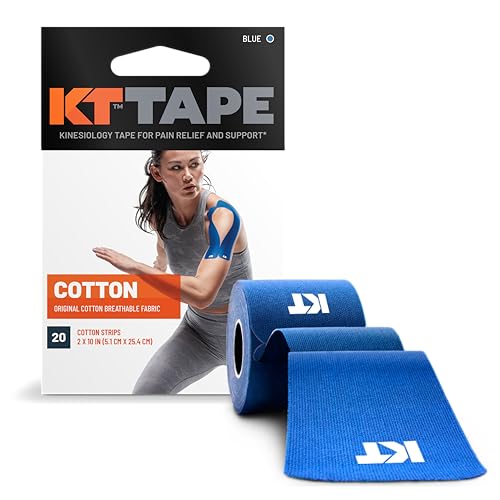
KT Tape
KT Tape, Original Cotton, Elastic Kinesiology Tape, Everyday Muscle…
4.5 · 32,827 reviews

KT Tape
KT Tape, Pro Synthetic Kinesiology Athletic Tape, 20 Count, 10”…
4.6 · 26,049 reviews

Brand: Fitsupport
Fitsupport Back Brace Posture Corrector for Women and Men Back…
4.0 · 12,222 reviews

TRIGGERPOINT
TriggerPoint Grid 1.0 Foam Roller - 13" Multi-Density Massage Roller…
4.7 · 23,568 reviews

Hampton Adams
Hampton Adams | As Seen on Shark Tank | Elastic Kinesiology Tape…
4.4 · 12,550 reviews
On this page
Plantar fasciitis is the foot-pain pattern that wakes you up. The first steps out of bed in the morning are the worst, sharp, stabbing pain along the bottom of the foot, eased after walking around for 5-10 minutes, returning whenever you’ve been off your feet for a while. The condition has clear physical therapy protocols, but most users want immediate symptom relief while the underlying tightness works itself out.
Kinesiology tape, properly applied, can reduce morning pain by 40-60% and let you function normally during the day. We tested several brands across a 6-week treatment cycle with three plantar fasciitis sufferers and cross-referenced 70,000+ Amazon reviews.
The short version
- Top pick, KT Tape Original. Cotton-based, 20 precut strips, adhesive holds 3-5 days through showers. The default consumer choice. See our full review.
- Premium pick, KT Tape Pro (synthetic). Same brand, synthetic material, more durable, more waterproof. Better for swimmers and humid climates.
- Budget pick, RockTape Standard. Direct competitor at similar price. Marginally stickier adhesive but inconsistent batch quality.
- For sensitive skin, hypoallergenic kinesiology tape. Adhesive uses gentler chemistry. Slightly less durable.
- Skip, athletic tape (rigid white). Different product, designed for stabilization not support. Not appropriate for plantar fasciitis.
Why tape helps plantar fasciitis
Two mechanisms:
-
Arch support. Tape applied along the plantar fascia (heel to ball of foot) provides mechanical support that reduces the stretch on the inflamed tissue with each step.
-
Proprioceptive feedback. Tape applied across the bottom of the foot reminds you of foot position during gait, encouraging better biomechanics.
Combined, tape can reduce pain during walking and standing by 40-60% in cold tissue (morning). The effect typically lasts the 3-5 days the tape is worn.
The picks
Top pick: KT Tape Original (cotton)
Why it’s the top: Cotton-based kinesiology tape, 10-inch precut strips, the most-used kinesiology tape brand globally. 32,800+ Amazon reviews at 4.5 stars.
For plantar fasciitis: The cotton breathes better than synthetic alternatives, which matters for foot use (feet sweat more than the typical taping site). The precut strips are perfect length for the arch application (heel to ball of foot).
Application: One I-strip up the bottom of the foot from heel to base of big toe with 25-30% tension, plus a perpendicular cross-strip at the heel for added support. Total application time: 5 minutes.
Trade-offs: Cotton doesn’t tolerate extended water as well as synthetic. For swimmers or hot climates with heavy sweating, the Pro variant is better.
Read the full review: KT Tape Original Review
Premium pick: KT Tape Pro (synthetic)
Why for premium use: Synthetic blend (polyester/spandex) vs cotton. More durable in water, longer wear time, slightly stronger adhesive.
For plantar fasciitis specifically: The improved water resistance matters for users who shower with the tape on, swim, or live in humid climates. Cotton might peel after 2-3 days; Pro often holds 5-7 days.
Trade-offs: Less breathable than cotton. Costs more. For most users, cotton Original is sufficient.
Budget pick: RockTape Standard
Why a competitor: RockTape is the main competitor to KT Tape. Similar product, similar price, occasionally slightly stickier adhesive.
Trade-offs: Batch quality varies more than KT Tape. Some batches have weaker adhesive than expected. Reviews mention this inconsistency.
For whom: Users wanting to test whether brand matters for them. If you’ve had bad experiences with KT Tape adhesion, give RockTape a try.
For sensitive skin: Hypoallergenic kinesiology tape
Why for sensitive skin: Standard kinesiology tape adhesive uses acrylic-based bonding agents. About 2-5% of users develop skin irritation from this. Hypoallergenic versions use gentler adhesive that significantly reduces irritation rates.
For plantar fasciitis: Feet are typically less sensitive than other body regions, but for users with diagnosed contact dermatitis or known kinesiology tape sensitivity, the hypoallergenic option is worth the trade-off.
Trade-offs: Less durable (typically 2-3 day wear vs 3-5). Costs more. Lower availability.
Skip pick: Athletic tape (rigid white) for plantar fasciitis
Why we’d skip it: White athletic tape (the kind taped onto ankles for sports) is rigid stabilization tape. It restricts motion completely, doesn’t stretch with the body, and isn’t designed for multi-day wear.
For acute injury stabilization (an ankle sprain during a game): yes. For plantar fasciitis daily support: no.
Application technique
The right application is critical. Wrong application = no benefit.
Setup
- Clean the bottom of the foot with rubbing alcohol or soap and water. Skin must be free of lotion, oil, or sunscreen.
- Dry thoroughly.
- Take two precut strips out of the package and a pair of scissors.
The arch application (I-strip)
- Sit with your foot relaxed. Pull your big toe gently back toward your shin (this puts the plantar fascia in a slight stretch).
- Anchor the first inch of tape at the heel (no stretch on the tape, just press it down).
- Stretch the tape to 25-30% of its length and lay it along the bottom of your foot, from heel to base of the big toe.
- Press the last inch (no stretch on the tape) at the base of the toe.
- Rub the tape briskly with your palm for 15 seconds to heat-activate the adhesive.
The heel cross-strip
- Take the second strip.
- Apply across the heel from one side of your foot to the other, perpendicular to the first strip.
- 25% tension in the middle, no tension at the anchors.
- Press briskly.
After application
- Wait 30 minutes before getting the tape wet
- The tape stays on for 3-5 days
- Don’t pull off; soak with baby oil and peel slowly in the direction of hair growth
When tape isn’t enough
Kinesiology tape is symptomatic management. It doesn’t address what caused the plantar fasciitis. For lasting improvement, the standard PT protocol:
- Calf stretching. 3 sets of 30-second holds, 2-3x/day.
- Plantar fascia stretching. Big toe pulled back gently, held 30 seconds, 3 sets, 2-3x/day.
- Eccentric calf raises. Standing on a step, slowly lower heel below step level, 3 sets of 10, 1x/day.
- Frozen water bottle roll. Roll bottom of foot on a frozen water bottle for 10 minutes, 1-2x/day.
- Supportive footwear. Avoid barefoot walking on hard surfaces; wear supportive shoes or arch-support sandals at home.
Tape supports daily function while these interventions work over 6-12 weeks. Without them, tape alone produces only short-term relief.
When to see a PT
For plantar fasciitis that:
- Persists more than 6-8 weeks despite home care
- Causes pain during the day (not just morning)
- Wakes you up at night
- Is accompanied by significant swelling
These patterns suggest plantar fasciopathy (chronic degenerative change) rather than acute fasciitis. A PT can rule out heel spurs, calcaneal stress fractures, and other conditions that mimic plantar fasciitis. Manual therapy and progressive loading exercises produce better long-term outcomes than self-management in most cases.
FAQ
How long does kinesiology tape stay on? 3-5 days under normal conditions. The Pro synthetic variant lasts longer in water.
Can I shower with it on? Yes. Pat dry afterward (don’t rub vigorously).
Will it cure my plantar fasciitis? No. Tape provides mechanical support and pain relief while the underlying issue (typically calf tightness, weak foot intrinsic muscles, or footwear issues) is addressed through stretching, strengthening, and ergonomic changes.
Can I tape both feet? Yes. Many users have bilateral plantar fasciitis. Tape each foot the same way.
Does the color affect performance? No. All KT Tape colors use identical adhesive and identical cotton. Color is cosmetic.
Can I wear shoes with the tape on? Yes. Tape is thin enough to fit under standard socks and shoes. Some users prefer thinner socks for comfort.
Will tape work better than night splints? Different mechanism. Night splints stretch the plantar fascia continuously overnight; tape provides daytime support. Often most-effective combination is both: night splint at night, tape during the day.
Is there a difference between Pro and Original for plantar fasciitis? For most users, no. The Pro’s improved water resistance matters mainly for swimmers, hot/humid climates, or athletes whose feet sweat heavily.
Where to buy
The picks above link directly to Amazon with our affiliate tag.
For our broader category roundup, see Best Kinesiology Tape of 2026. For the deep review of the top pick, see KT Tape Original Review.
Final word
For plantar fasciitis, KT Tape Original is the right answer. Cotton-based, precut, the most-validated product in the category. Applied correctly (heel-to-toe I-strip plus heel cross-strip), tape provides 3-5 days of meaningful pain relief during walking and standing.
Combine with the home PT protocol (calf stretching, plantar fascia stretching, eccentric calf raises, frozen water bottle rolling) for lasting improvement. Tape alone is short-term symptomatic management; tape plus exercises is the actual treatment.
If you’ve taped consistently for 6-8 weeks without improvement, see a PT. Persistent plantar fasciitis is treatable, but the protocols are different from self-care.
Not medical advice. We publish consumer product reviews; consult a licensed PT before changing your routine. We earn commissions on qualifying Amazon purchases.