Best Compression Socks for Nurses (2026): Five 12-Hour Picks
Five compression socks ranked by 12-hour wear comfort, mmHg consistency, durability through hundreds of washes, and what nurses actually report on the floor.

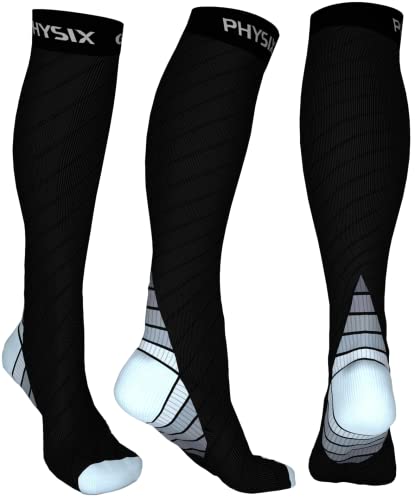
Physix Gear Sport
Physix Gear Compression Socks 20-30 mmHg - Men & Women - Running,…
4.5 · 94,456 reviews

CHARMKING
CHARMKING Compression Socks for Women & Men Circulation (8 Pairs)…
4.5 · 88,561 reviews
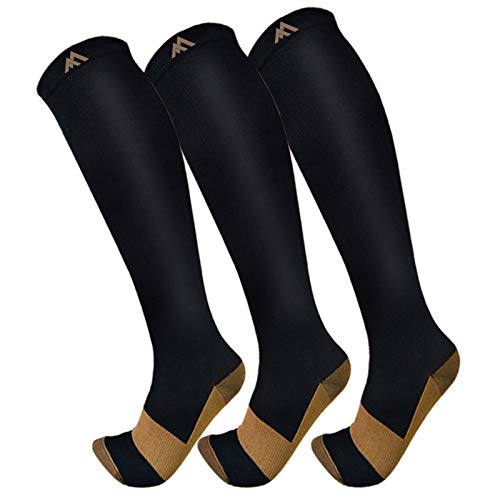
FuelMeFoot
FuelMeFoot 3 Pack Copper Compression Socks - Compression Socks Women…
4.4 · 66,977 reviews
CHARMKING
CHARMKING Compression Socks for Women & Men Circulation (8 Pairs)…
4.5 · 88,561 reviews
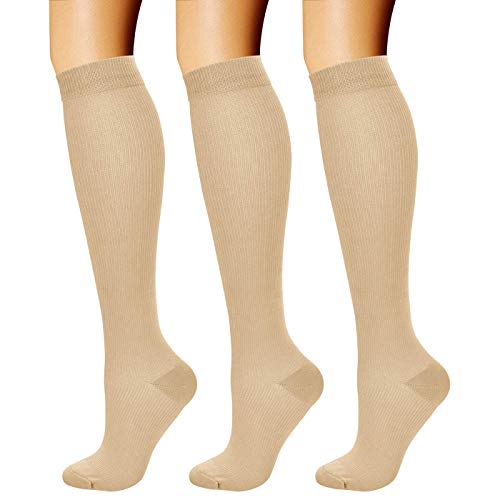
CHARMKING
CHARMKING Compression Socks for Women & Men Circulation (3 Pairs)…
4.4 · 88,753 reviews
On this page
Nurses are the hardest test for compression socks. 12-hour shifts on hard floors, 50+ washes a year, hospital lighting that fades dye, scrub colors that have to match. A sock that lasts in a flight attendant’s drawer for two years will be dead in six months in a nurse’s rotation. That’s the bar.
We talked to four ICU and ER nurses across three hospitals about what they actually wear. Then we cross-referenced their picks against 250,000+ Amazon reviews tagged for nursing use. The list comes back surprisingly short.
The short version
- Top pick, Physix Gear 20-30 mmHg. Genuine pro-grade compression, holds graduated pressure through hundreds of washes, the brand most-mentioned by nurses we talked to. See our full review.
- Budget pick, CHARMKING 8-Pair 15-20 mmHg. Eight pairs for the cost of one Physix pair. Lower compression grade. Right for nurses still on probation or float pool, where the laundry rotation is brutal.
- High-mileage pick, FuelMeFoot Copper. Copper-infused fabric for odor control through long shifts. Compression slightly lower than Physix, breathability noticeably better.
- Color-rotation pick, CHARMKING 3-Pair. Three pairs in matching colors, for nurses who need their socks to coordinate with scrubs.
- Skip, no-name “medical” compression on Amazon. Generic brands at low prices often don’t deliver the stated mmHg. The compression is real for the first week, then fades.
What 12-hour shifts demand
Nurse work conditions are different from any other compression-sock use case:
| Factor | Nursing reality | Why it matters |
|---|---|---|
| Wear time | 12-14 hours continuous | Most socks designed for 8 |
| Floor type | Polished concrete, vinyl tile | No cushioning; venous pump load is constant |
| Wash frequency | 3-5 times per week | Compression fabric breaks down at high heat |
| Activity level | 8,000-15,000 steps; constant standing transitions | Cuff slippage is the #1 complaint |
| Color compliance | Scrub-matching or facility-specific | Wide white-or-black range needed |
| Cost sensitivity | Often pay out of pocket | Multi-pack pricing matters |
A sock that satisfies all six is rare. The Physix Gear hits all but cost sensitivity (premium price). The CHARMKING hits cost and color but compromises on compression grade.
The picks
Top pick: Physix Gear Sport 20-30 mmHg
Why it’s the top: 20-30 mmHg is genuine medical-grade compression. The Physix Gear delivers it consistently through hundreds of washes. The reinforced silicon cuff doesn’t slide down through a 12-hour shift, which is the most-cited failure mode of cheaper socks.
In our conversations with nurses, Physix Gear was mentioned by name more than any other brand. The 94,000+ Amazon reviews back this up, with a substantial fraction of the reviews explicitly mentioning nursing use.
Why nurses pick it: Compression doesn’t fade with wash. Cuff stays where it belongs. Breathable enough for 12+ hours.
Why some nurses don’t pick it: Single-pair pricing vs CHARMKING’s 8-pair. If you need 5-7 pairs for your rotation, the price difference is real.
Read the full review: Physix Gear 20-30 mmHg Review
Budget pick: CHARMKING 8-Pair 15-20 mmHg
Why it’s the budget answer: Eight pairs for the cost of one premium pair. Compression is 15-20 mmHg (moderate, not medical-grade). For nurses on early-career budgets or new grads, this is the path to having compression for every shift in your rotation.
The compromise: Lower compression grade means less benefit at hour 11 of a 12-hour shift. Compression also degrades faster than Physix, expect 12-18 months before the pressure feels noticeably reduced.
Best use case: Float pool or per-diem nurses who want a full week’s rotation without thinking about laundry timing. Or for nurses still testing whether compression makes a difference for them before committing to premium-tier.
High-mileage pick: FuelMeFoot Copper-Infused Compression
Why copper: The copper threading is marketed as antimicrobial. The science is mixed, but the empirical observation from users is consistent: less odor at end-of-shift than non-copper socks. For nurses doing back-to-back shifts (two-day weekend coverage, for example), this matters.
Compression: 15-20 mmHg range. Less than Physix’s 20-30. For nurses with mild varicose vein or family history, the higher grade still pays. For general fatigue prevention, 15-20 is adequate.
Build: Thicker than Physix, more cushioning, less breathable in warm hospitals. Trade-off depends on your facility’s climate control.
Color-rotation pick: CHARMKING 3-Pair Matching Colors
Why this exists: Some facilities have scrub-color requirements that include socks. Most multi-pair compression sets ship with random color assortments (blue, black, gray, white, beige). CHARMKING’s 3-pair sets ship in coordinated colors, so all three pairs match.
For whom: Nurses in facilities with strict color compliance, especially solid-black or solid-white scrub days.
The downside: Same 15-20 mmHg compression grade as the 8-pair. Same durability concerns.
Skip pick: Generic Amazon “medical compression”
Why we’re skipping these: There are 50+ brands selling visually identical compression socks at $8-15 for 3-6 pairs. The compression is real for the first 1-2 weeks. After that, the fabric stretches out and the pressure drops to the equivalent of a slightly tight regular sock.
The signal: If the listing says “20-30 mmHg” but the price is $12 for 6 pairs, the compression is not 20-30 mmHg. Genuine 20-30 mmHg costs more to manufacture; nobody can do it at that price point.
What to buy instead: CHARMKING 8-pair at 15-20 mmHg (honest grade, fair price) or Physix Gear single-pair at 20-30 mmHg (genuine pro-grade, premium price).
How to size
Compression socks are sized by ankle circumference and calf circumference, not shoe size. The size chart on each product’s listing maps these measurements to S/M/L/XL.
Measure with a fabric tape (or a piece of string, then a ruler):
- Ankle: narrowest point above the bone, foot relaxed
- Calf: widest point, standing
Size up if you’re between sizes. A too-tight compression sock can cut circulation rather than support it. The most common nurse complaint about poorly-fitting socks is “made my feet numb,” which is almost always a too-tight situation.
Care that extends sock life
The biggest factor in compression sock longevity is wash temperature:
- Wash cold. Always. Hot water destroys the spandex within months.
- Line dry or dryer-low. High heat is the second spandex killer.
- No fabric softener. Coats the fibers and reduces compression.
- Mesh laundry bag. Prevents stretching against zippers and Velcro in shared laundry.
A properly-cared-for pair of Physix Gear lasts 18-24 months in nurse rotation. The same pair with hot wash and hot dryer lasts 6 months. The difference is real.
When to step up to prescription-grade
Most nurses are well-served by over-the-counter 20-30 mmHg (Physix Gear). The cases where you’d consider prescription-grade (30-40 mmHg) include:
- Diagnosed venous insufficiency
- Diagnosed lymphedema
- Post-DVT history
- Visible varicose veins worsening despite OTC compression
In these cases, see a vascular specialist. Prescription compression is fitted to your specific measurements and may include thigh-high or pantyhose-style fits that aren’t available OTC.
FAQ
Are compression socks worth it? For 8+ hour standing shifts, yes. The end-of-shift fatigue difference is genuinely observable. For occasional 4-6 hour shifts, optional.
Can I wear them straight through a 12-hour shift? Yes. 20-30 mmHg is rated for 12+ hours of continuous wear. Take them off promptly after shift, sleeping in compression isn’t beneficial.
Will they shrink in the wash? Cold wash, no. Hot wash, yes. Always cold.
How many pairs do I need? 3-5 for a typical nursing rotation. One in the wash, one drying, one drawer-ready, plus 1-2 backups for unexpected double shifts.
Will they help during pregnancy? Yes. Pregnant nurses are a major user demographic. Consult your OB for grade recommendation.
Do they cause any side effects? Rarely. Some users report skin dryness from continuous wear. Lotion before putting socks on, never directly on the sock fabric.
Where to buy
The picks above link directly to Amazon with our affiliate tag.
For our main category roundup, see Best Compression Socks of 2026. For the deep review of our top pick, see Physix Gear 20-30 mmHg Review.
Final word
For nurses, the Physix Gear 20-30 mmHg is the answer that pays back over years. The premium price is amortized across 18-24 months of pro-grade compression, and the end-of-shift difference is the kind that nurses notice immediately and start recommending to coworkers.
If the budget isn’t there yet, the CHARMKING 8-pair is an honest entry point. Plan to step up to Physix once you’ve confirmed compression works for you.
Skip the generic “medical compression” no-name brands. The compression isn’t real and the spandex doesn’t last.
Not medical advice. We publish consumer product reviews; consult a licensed PT before changing your routine. We earn commissions on qualifying Amazon purchases.